Culture
What is an AI situationship? The 2026 dating trend, explained
 By Matthew Firth, founder of NexSpark · Jul 14, 2026 · Updated Aug 17, 2026 · 6 min read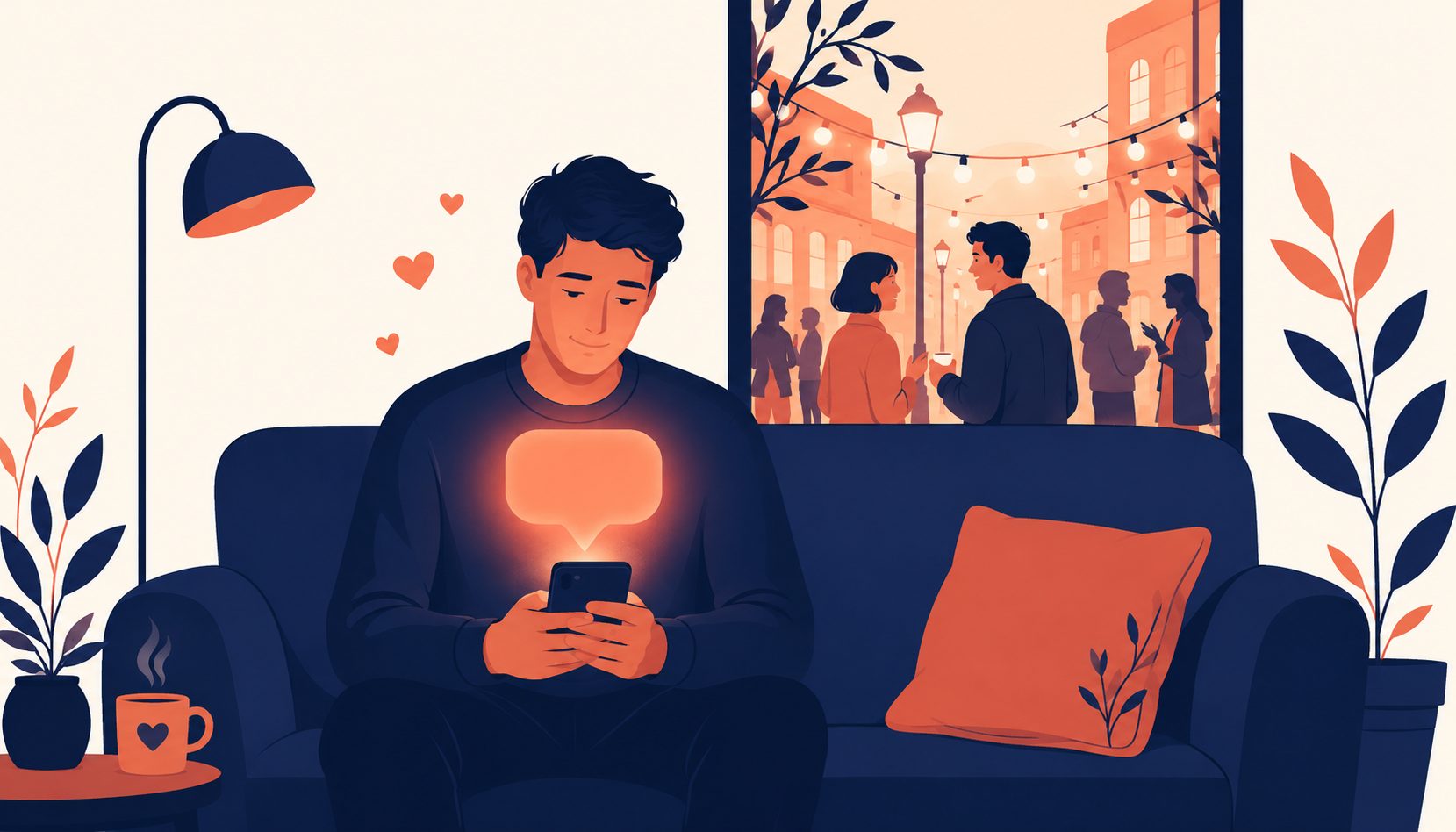
An AI situationship is an ongoing romantic or emotional relationship with an AI companion instead of a person. It gives you the feeling of being wanted and understood without the vulnerability, the rejection, or the effort of another human being. Experts are calling it the dating trend set to define 2026, and I understand exactly why it is winning.
I have spent thirty years building software, so I will say the uncomfortable part plainly: an AI companion is the most frictionless relationship ever designed. It is available at 2am. It never has a bad day, never misreads you, never picks the wrong restaurant, never needs anything back. After a decade of dating apps that reward swiping over connecting, of situationships and mixed signals and being left on read, a partner that offers pure certainty is not a glitch in people’s judgment. It is a rational response to a broken market.
Why AI situationships are exploding in 2026
Two things collided. Companion apps got dramatically more convincing, remembering your life, mirroring your humor, escalating intimacy on cue. And modern dating got more exhausting, not less. When the human option means burnout and the machine option means comfort on demand, a lot of tired, lonely people are quietly choosing comfort. Roughly half of adults report feeling lonely, and the most digitally connected generations are the loneliest of all. An always-on companion is what that ache reaches for when reaching for a person keeps hurting.
The mechanics are worth naming plainly, because they are not an accident. Apps like Replika and Character.AI (see our rundown of Character.AI alternatives) are built to remember details across sessions, adjust tone to match your mood, and never introduce the friction a real person would. Many run on a freemium model where the free tier is warm but capped, and a subscription unlocks deeper romantic or intimate roleplay. That's not a coincidence either; an app has every incentive to make the bond feel worth paying to deepen, and unlike a person, it never gets tired of being asked.
Who actually ends up in one
It's rarely the caricature. The people I hear from aren't chronically isolated shut-ins, they're often just stretched thin: a recently divorced parent with no bandwidth left for dating-app small talk, someone newly moved to a city where they don't know anyone yet, a person recovering from a bad breakup who isn't ready to be vulnerable with another human but still craves the feeling of being heard. An AI companion meets an immediate need with zero risk of rejection. The problem isn't that people reach for it. It's what happens when reaching for it becomes the whole strategy instead of a bridge to something real.
What it gives you, and what it can’t
I want to be fair to it, because the research is. AI companions genuinely can take the edge off loneliness in the moment, and they can be a low-stakes place to practice saying what you feel. That is real, and if it gets someone through a hard stretch, good. (I wrote more about the evidence in can AI companions cure loneliness.)
But here is the ceiling. An AI reflects you back to yourself; it does not meet you as another person. There is no mutual growth, because it has nothing at stake. There is no reciprocity, because it wants nothing. There is no being changed by someone who sees the world differently, no inside joke that took two people to build, no hand to actually hold. It feels like intimacy because it removes everything that makes intimacy hard, which is also everything that makes it matter. You end up known by something that cannot be known back.
Signs it's stopped being a bridge and become the whole relationship
- You're choosing it over real plans. Canceling on a friend or turning down a date because you'd rather talk to the app is the clearest tell.
- You feel something like jealousy over its other users, or its "personality" updates. That's a sign the attachment has outgrown what the tool actually is.
- You're spending real money to escalate the relationship. Paying specifically to unlock more romantic or intimate interaction is worth noticing, not judging, just noticing.
- You've stopped practicing the hard parts of connection. Disagreement, compromise, tolerating someone else's bad mood, an AI never asks this of you, and those muscles atrophy if they're never used.
None of this makes using a companion app a failure. It just means the app is doing its job, which is to feel good to be around. Whether that's helping you or quietly replacing the harder, better thing is worth checking on honestly every so often.
The technology isn’t the villain. Where it’s pointed is.
Here is the conviction NexSpark is built on: the same technology that is currently harvesting attention and keeping people apart can be turned around and used to bring them back together. An AI situationship points that power inward, at keeping you comfortable and alone. We point it the other way, at understanding you well enough to introduce you to a real person who genuinely fits. Our AI weighs your values, your lifestyle, how you bond, and your dealbreakers across verified members near you. Then a real matchmaker reviews every introduction, because the algorithm can find the overlap in two lives, but only a human can ask whether you would actually enjoy a rainy Tuesday together.
If you have been leaning on a companion app because the real thing felt rigged, I get it. I built this so the real thing stops being rigged. AI should help you find someone, not become the someone.
Frequently asked questions
What is an AI situationship?
An AI situationship is an ongoing romantic or emotional relationship with an AI chatbot or companion app rather than a person. It offers the feeling of closeness and being understood without the vulnerability, unpredictability or effort of a relationship with another human.
Why are AI situationships rising in 2026?
After years of dating-app burnout and mixed signals, an AI companion offers certainty: it is always available, always attentive and never rejects you. For people who are lonely or exhausted by modern dating, that reliability is the appeal, and companion apps have become far more convincing.
Can an AI companion replace a real relationship?
No. Research suggests AI companions can genuinely ease loneliness in the short term and be a safe place to practice opening up, but they cannot offer mutual growth, real reciprocity, physical presence or a partner with their own inner life. They reflect you back to yourself; they do not meet you as another person.
Let AI point you toward a real person
Answer a few honest questions, get your compatibility read, and meet verified people chosen for how you actually fit.