Culture
Truecasting: the 2026 dating trend of showing up as yourself
 By Kenneth Kintsugi, holistic relationship specialist · Jul 7, 2026 · 5 min read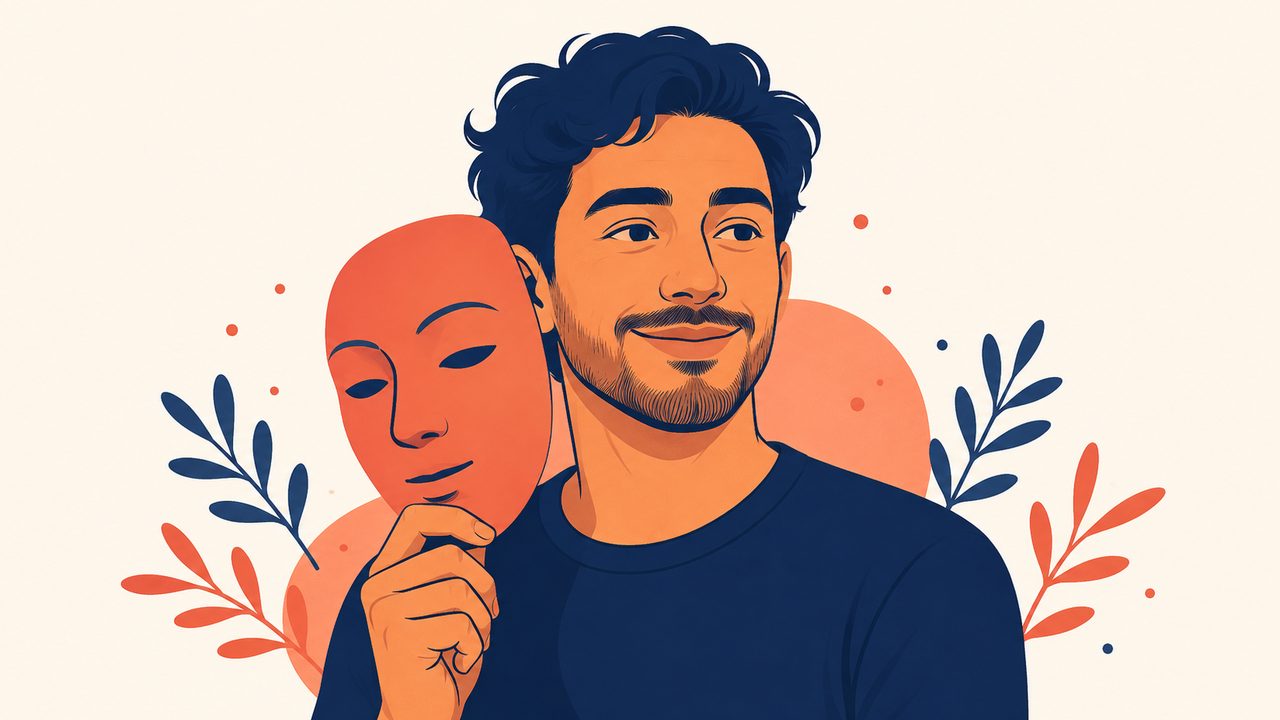
After a decade of curated profiles and best-angle selfies, the newest dating trend is almost funny in its simplicity: just be yourself. Truecasting is the 2026 name for showing up with no filters and no facade, telling the truth about who you are from the first message. Surveys this year put it at around one in four singles saying they now do exactly that. It sounds like the most obvious advice in the world. The reason it's a "trend" at all is that the apps spent ten years quietly training us to do the opposite.
What truecasting is reacting against
Dating apps turned people into listings. You pick your five best photos, you sand down the weird hobby, you write a bio that sounds like everyone else's bio, and you hope the edited version gets a match. Then you meet in person and spend the first date reconciling the profile with the human. Truecasting is the exhaustion with that gap finally boiling over. People would rather be seen accurately and rejected than be liked for a version of themselves they can't sustain past date three.
Why it actually works
- It saves everyone time. When you lead with the real thing, the wrong people leave early and the right ones lean in. The edited version just delays the reckoning.
- Authenticity is magnetic. A person who's comfortable being exactly who they are is more attractive than a polished stranger. Ease reads as confidence, because it is.
- It's the only sustainable option. You cannot perform a fake self forever. Every relationship built on a curated version eventually has to survive the real one showing up. Better it shows up on date one.
How to truecast without oversharing
There's a line between authentic and unfiltered-to-a-fault, and it's worth knowing. Truecasting isn't trauma-dumping on a first date or announcing every flaw as a warning label. It's smaller and steadier than that: naming what you genuinely like instead of what sounds impressive, admitting you're nervous if you are, letting your real sense of humor out early, saying what you actually want instead of the acceptable version. It's the difference between "I love hiking and travel" and "honestly I mostly play strategy games and cook the same three meals, and I'm great company on a quiet Friday." One is a stock photo. The other is a person.
The trend NexSpark was built around
I'll be straight about the bias here, since this is our journal. Truecasting is close to the founding idea of NexSpark. The whole model assumes that the real you is the thing worth matching, so there's no profile to optimize and no photo grid to game. Everyone's identity is verified, so you're meeting actual people being actually themselves. And a real matchmaker works from who you honestly are, not a highlight reel, which means the version of you that gets introduced is the version that shows up. Truecasting on an app is swimming against the current. Here it's just how the thing works.
Be matched as your real self
A few honest NexSpark questions reveal your archetype and ideal match from your honest answers, no profile to polish. Then a real matchmaker introduces you to verified people, being genuinely themselves too.